

Published: March 17, 2026 | By: Rungrueang Huanraluek
What is Building Engineering Systems? What does it consist of?
Building Engineering Systems refers to the collective engineering systems that enable a building to function effectively. It covers essential systems including Electrical Systems, HVAC Systems, Plumbing Systems, Communication & Security Systems, Air Conditioning & Ventilation Systems, Plumbing & Sanitary Systems, Wastewater Treatment Systems, Fire Protection Systems, and Building Transportation Systems. Designing and installing these systems to high standards ensures building safety, energy efficiency, and long-term usability.
In the modern era, a building is more than just an architectural structure; it relies on complex, integrated engineering systems to support a large number of occupants. These are collectively known as Building Engineering Systems. They are vital components that make a building safe, comfortable, energy-efficient, and compatible with modern technologyespecially in large-scale structures like hotels, hospitals, office buildings, shopping centers, and Smart Buildings that require efficient management of various systems.
What is Building Engineering Systems?
Building Engineering Systems are the various engineering systems installed within a building to support its operation in terms of energy, environment, safety, communication, and utility management. These systems range from electrical and air conditioning to security, communication, and smart building management. Generally, Building Engineering Systems are categorized under the MEP Systems (Mechanical, Electrical, Plumbing) framework and extend to other specialized systems required for modern facilities.
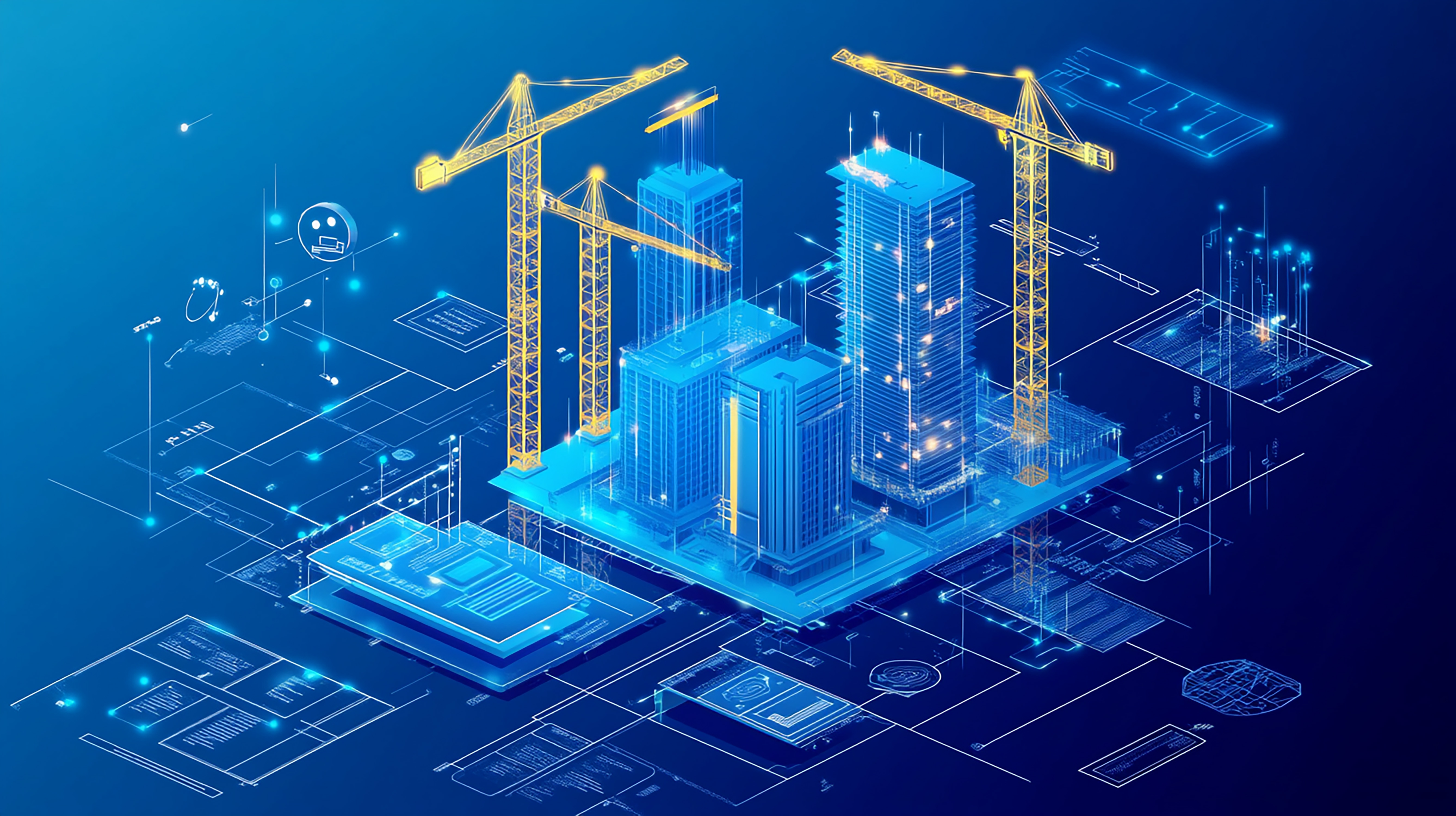
Components of Building Engineering Systems

1. Electrical Power System
The electrical power system is the fundamental infrastructure that receives and distributes energy to all equipment within the building. Examples include:
The electrical power system is the infrastructure that enables all other devices and systems within the building to function.
2. Communication & Security System
This system supports communication, management, and the overall security of the building. Examples include:
These systems play a crucial role in modern building management.
3. Air Conditioning & Ventilation System
The Air Conditioning & Ventilation System, or HVAC (Heating, Ventilation, and Air Conditioning), controls the indoor climate to ensure occupant comfort and air quality. Systems in this category include:
This system is vital for Indoor Air Quality and Energy Efficiency.
4. Plumbing & Sanitary System
This system involves the procurement and distribution of water as well as wastewater management. Key components include:
The Plumbing & Sanitary System is essential for hygiene and functional building use.
5. Wastewater Treatment System
This system manages wastewater from building activities before it is discharged into the environment. Examples include:
The Wastewater Treatment System helps reduce environmental impact and maintains sanitary standards.
6. Fire Protection System
This system is critical for the safety of occupants and property. Components include:
7. Building Transportation System
This system facilitates the movement of people and goods within the building. Key components include:Importance of Building Engineering Systems
Engineering systems play a vital role in several aspects:


